

Whakapapa
Our history
Origins, Purpose, and Early Drivers
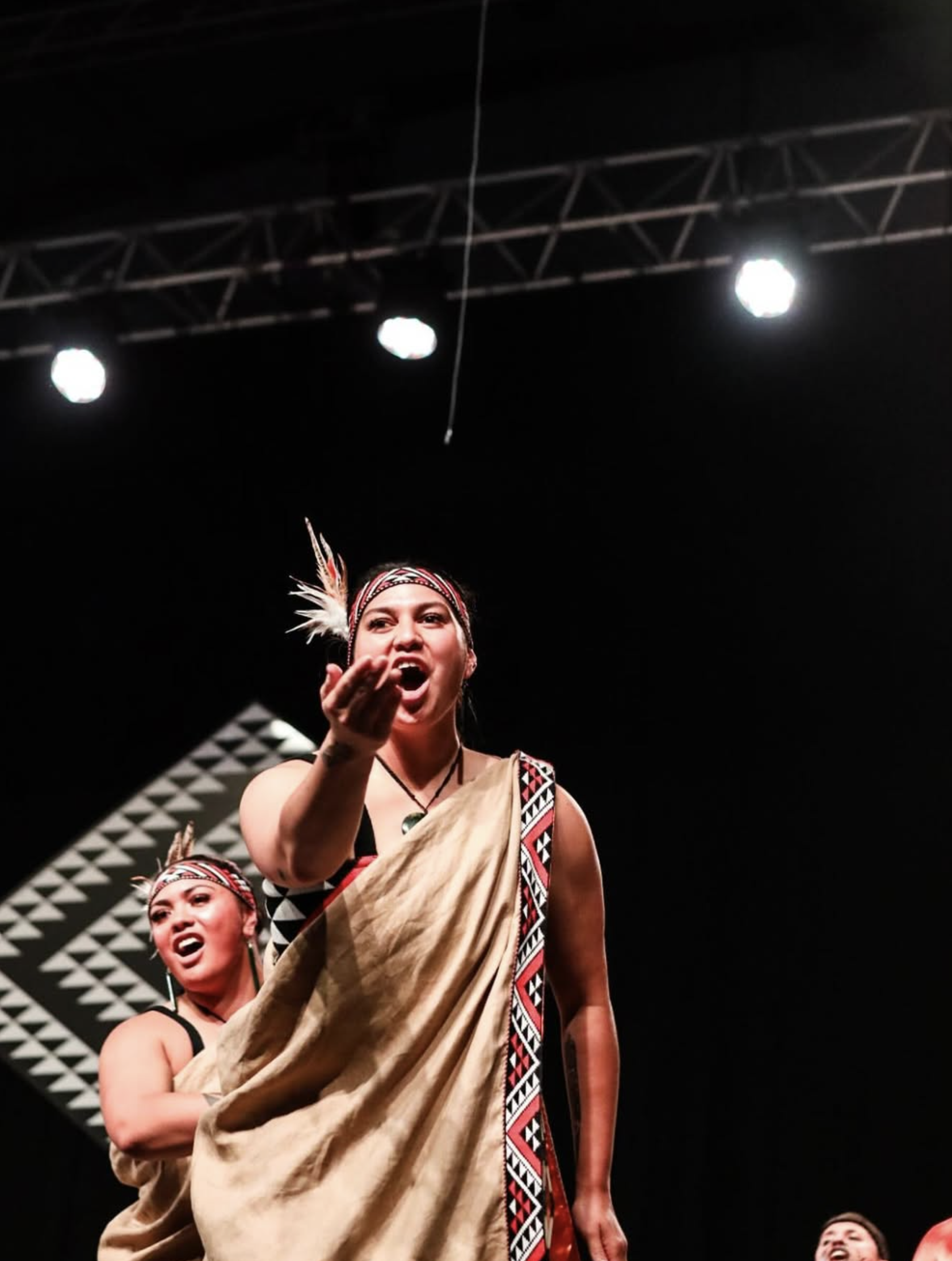
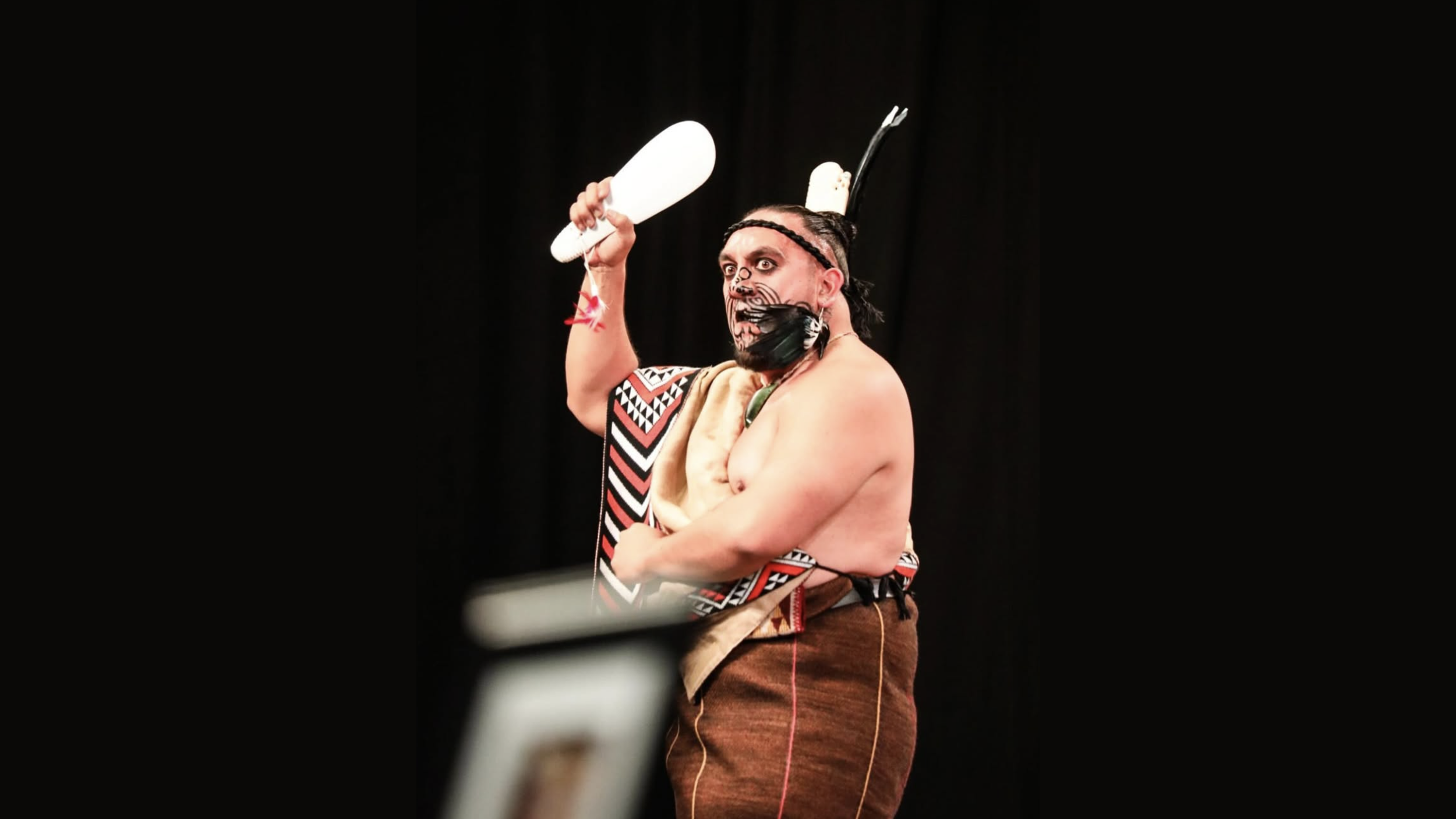
Kapa haka in the Rangitāne Region emerged after Tupito relocated his wife and whānau from their kāinga tupu to Manawatū after the closure of the main industry of the Pātea Freezing Works.
In 1986, their son, Roger, his cousin Jody Kiriona and their friends, Wana Manihera, Kim Te Rangi, Rochelle Naran, and Rebecca Garvey approached Tupito and Dawn to form a kapa haka rōpū as an outlet of interest for ex-Queen Elizabeth College students to gather and meet each week.
Initial leadership came from Tupito and Dawn, who played a key role in establishing the region’s first kapa haka rōpū. On 4 February 1986, Tūtahi Manawatū Culture Group was formed, with the first practice held in the old Convent Hall on the corner of Carol and Fitchett Streets in Palmerston North. The name was inspired when Tupito and Dawn passed Tutahi Church near Nukumaru, a whare karakia of significance to the two, while the rōpū itself was founded in Manawatū, the rohe that anchors its newly formed identity.
In the same year, Tupito and Dawn contacted Tom Gemmell, the Ikaroa National Delegate, to enter Tūtahi into the Ikaroa regional competition. They began training the group into a competitive kapa, and after a few months, Tom Gemmell informed them that the rohe was divided into four regions: Tairāwhiti, Takitimu, Raukawa, and Whanganui‑ā‑Tara.
With support from the Tūtahi Manawatū Culture Group, they reached out to Taumata (Myra) Renata, Dawn’s kuia, who helped them connect with the Raukawa District Council. Through the support of Taumata (Myra) Renata, Yvonne Marshall, and Wana Davis, the Council mandated Tūtahi Manawatū Culture Group to represent the rohe at the 1986 Aotearoa Traditional Māori Performing Arts Festival in Ōtautahi/Christchurch. Later that year, Kawa Kereama was appointed as the new National Committee delegate, and rule changes led the Council to withdraw the mandate for Tūtahi Manawatū Culture Group so Tūtangata Whānau could compete for the opportunity to represent Raukawa. This led to Tūtahi Manawatū Culture Group organising a kapa haka competition. In 1986, the first regional kapa haka was held at the Teachers College Auditorium in Palmerston North. Judges included Kelly Kereama, Morvin Simon, Pare Richardson, and Wana Davis, with guest groups from Waipukurau (full and proper name), Pātea Māori Club, and the local Cook Islands community. Tūtangata Whānau won and went on to represent the region at the New Zealand Polynesian Festival in Ōtautahi/Christchurch.
In 1987, the second regional competition was held under the Raukawa District Council at Queen Elizabeth College School Hall, organised by National Delegate Kawa Kereama with support from Tūtangata Whānau. The judging panel again included Kelly Kereama, Morvin Simon, and Wana Davis, joined by Wiki Gardiner. Tūtangata Whānau won again and represented Raukawa at the 1988 New Zealand Polynesian Festival held in Whangārei.
By 1989, kaumatua of the Rangitāne Māori Committee proposed that the regional competition come under the mantle of Rangitāne. After a lengthy kōrero with kaumātua, Taitoko Te Huatahi Rangiharuru Fitzgerald and his wife Patricia, Moana and Dolly Te Rangi, Joe Tukupua, Mina McKenzie and Alan Horsfall mandated Tupito to represent Rangitāne as the rohe delegate on the national committee. From 1990 to 1994, Tūtahi Manawatū Culture Group continued to run regional competitions on behalf of Rangitāne until the establishment of the Rangitāne Māori Regional Cultural Festival Komiti.
Over the years, beginning in 1986, the Tūtahi Manawatū Culture Group and the regional committee were honoured to have the support of several City Council patrons. Mayor Paul Rieger served first, followed by Mayors Jill White and Mark Bell‑Booth, each of whom championed kapa haka initiatives throughout their time in office. Their backing ensured the rōpū had a strong presence within the City Council, opening doors to new opportunities and providing steadfast support that helped the kaupapa flourish.
In late 2004, the Rangitāne Kapa Haka Regional Society was renamed Te Mata Waiora Incorporated Society, reflecting its expansion into neighbouring regions. The new name signalled a broader mission, to promote kapa haka more widely and attract additional groups to compete at the regional level on both sides of the ranges, including those from Waiouru.
Te Mata Waiora’s guiding statement was:
“To embrace the many spiritual strands of well-being to enhance and encompass Māori performing arts with rich harmony woven with challenges and overflowing with the filament of joy and peace.”
Growth, Turning Points, and Impact
The growth of kapa haka in Rangitāne has been shaped by many visionary individuals, including the invaluable contributions of Lorene Fitzgerald, whose dedication helped strengthen the foundations of the kaupapa. From the late 1990s, leaders elevated kapa haka from informal community hall gatherings to large-scale, staged productions that met national standards. A transformative moment was the successful hosting of the 2002 Te Matatini festival, which showcased organisational excellence and put Rangitāne firmly on the national stage. This accomplishment, followed by a consecutive hosting opportunity, set new benchmarks for event delivery for kapa haka and inspired other regions.
Pivotal groups such as Tūtahi Manawatū and Te Au ki Tonga played major roles in lifting the region’s competitive and performance standards. Influential individuals, such as dedicated kaumātua like Tupito and Dawn and list others of the same influence, provided essential guidance, stability, and continuity, nurturing generations of performers. The formation of new committees marked an important step in strengthening the region’s organisational foundation and future direction. This progress was further reflected in 2024, when a record 14 teams participated, showcasing the remarkable growth, enthusiasm, and community commitment driving kapa haka in the region.
These milestones and the contributions of key change-agents not only enhanced the profile of Rangitāne kapa haka but also fostered unity, pride, and resilience. TKapa haka remains a powerful vehicle for nurturing rangatahi, reclaiming te reo Māori me ōna tikanga, and building a vibrant, interconnected community, ensuring kapa haka’s enduring significance in the region.
Present Day and Future Direction
Today, kapa haka in Rangitāne is vibrant and professionally staged, with strong intergenerational leadership and increasing involvement from rangatahi. The region hosts inclusive competitions and regular wānanga, reflecting artistic excellence and a deep commitment to te reo me ōna tikanga. These qualities ensure kapa haka remains a vital force for community identity and connection.
Looking ahead, Rangitāne kapa haka looks to advance its kaupapa by developing emerging leaders, building collective capability, and protecting the mana of Māori cultural expression. The kaupapa remains focused on innovation, inclusivity, and the continued revitalisation of te reo Māori, ensuring kapa haka’s ongoing relevance and strength for future generations.
These goals ensure that kapa haka will remain a celebrated and unifying force in Rangitāne, continuing to connect people, sustain identity, and inspire both present and future generations.